17 November 2026 · 5 min read · Heathurst Coatings
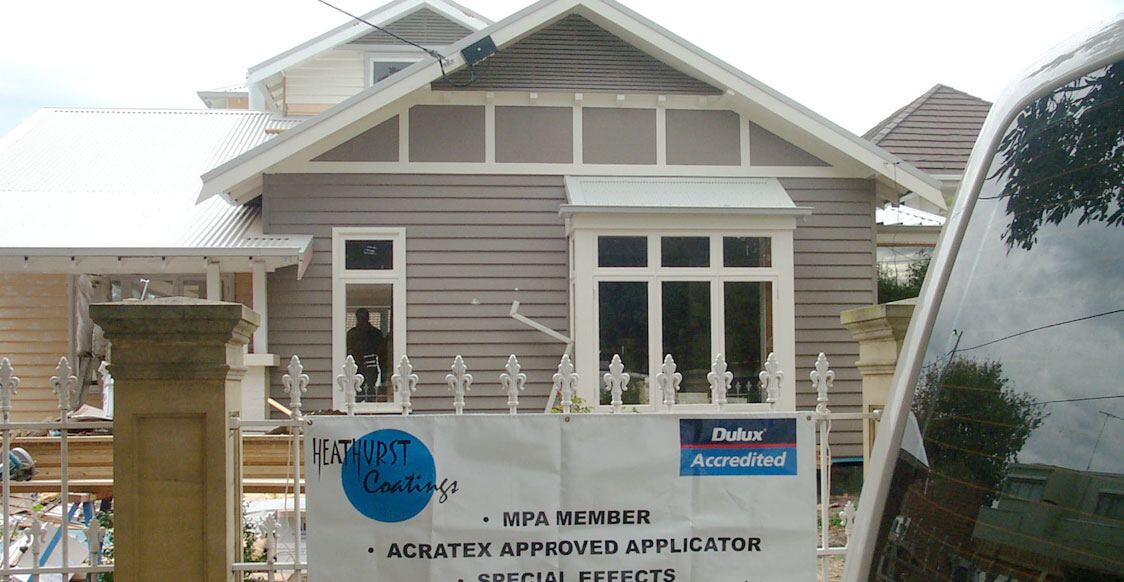
To paint a house exterior, choose a run of mild, dry weather, wash the walls, scrape and sand off loose paint, fill and repair, prime bare areas, then apply two coats of exterior paint, working from the top of the house down and finishing with the trims. Preparation is most of the work and decides how long the paint lasts. The part that most often goes wrong for DIY painters is not the painting itself but working safely at height.
How do you know it's time to repaint the outside of your house?
Look for:
- Chalking: a powdery residue that comes off on your hand when you rub the wall.
- Fading: colour that has gone noticeably lighter on the sunny sides of the house.
- Flaking and peeling: paint lifting off, especially on weatherboards, sills and fascias.
- Cracking: fine cracks in the paint film, or a pattern like crocodile skin.
- Bare timber: any timber showing through will start to weather and rot.
- Mould and dirt: dark staining on shaded walls and under eaves.
Catching these early means less preparation, and less repair work, when you do repaint.
When is the best time to paint an exterior?
Mild, dry weather is best, which in Melbourne usually means spring and autumn. Avoid painting in direct hot sun, when rain is forecast within a day, or late in the afternoon when dew will settle on wet paint. Always check the temperature limits on the tin. Our guide to the best time to paint an exterior in Melbourne goes into more detail.
What tools and materials do you need?
- Ladders, and for anything above single-storey height, a scaffold or work platform
- Pressure cleaner or a stiff brush, bucket and house wash
- Paint scrapers, wire brush and sandpaper
- Exterior filler for timber and a render repair product for cracks
- Exterior-grade gap sealant
- Primers suited to each surface: timber, metal, render or chalky surfaces
- Premium exterior paint in your chosen colour and sheen
- Brushes for cutting in and trims, rollers with an extension pole for walls
- Drop sheets, masking tape and plastic to cover plants, paving and windows
How do you prepare the outside of a house for painting?
1. Wash
Clean every surface you will paint. A pressure cleaner removes dirt, chalky residue and loose paint quickly, but keep the pressure moderate on timber and older render so you don't damage them. Treat any mould with a suitable cleaner and rinse well. Let everything dry completely, usually at least a day.
2. Scrape and sand
Scrape off all flaking and peeling paint, then sand the edges so they blend in. If your home was built before the 1970s, test for lead before you sand or scrape. Our guide on how to remove paint covers safe methods.
3. Repair
Fill holes and gaps in timber with exterior filler, replace any rotten boards, repair cracks in render, and treat rust on metal. Seal gaps around windows and trims with exterior sealant.
4. Prime
Prime all bare timber, metal and repaired areas with a primer suited to the surface. If the old paint is chalky and won't wash clean, use a sealer or binding primer designed for chalky surfaces, or the new paint can lift off with the chalk.
What common paint problems should you fix first?
- Chalking: wash it off thoroughly, let it dry, and if a chalky film remains, apply a sealer made for chalky surfaces before the topcoat. Painting straight over chalk is one of the most common causes of new paint failing.
- Flaking and peeling: scrape back to a firm edge, sand, prime and then paint. Find the cause too, which is often moisture getting in behind the paint.
- Efflorescence: white, salty deposits on brick and render are caused by water moving through the masonry. Brush them off dry, fix the source of the moisture, and use a sealer suited to masonry before painting.
- Alligatoring: a cracked pattern like reptile skin, usually from incompatible coats or very old paint. The affected paint generally needs to come off completely before repainting.
- Mould: kill and clean it off, then let the surface dry before painting. Paint over mould and it grows back through.
In what order should you paint a house?
Work from the top down so drips land on unpainted areas:
- Gutters, fascias and eaves first.
- Walls next, one elevation at a time, finishing each wall at a corner or natural break so lap marks don't show.
- Windows, doors and trims last, with a brush for a clean edge.
- Downpipes, fences and decks at the end.
Follow the sun around the house where you can, so you are painting walls after the morning dew has dried and before the afternoon sun beats on them. Two finish coats are standard for exteriors.
Brush, roller or spray?
- Brush: best for trims, windows, weatherboard edges and cutting in.
- Roller: fastest for flat walls such as render and fibre cement. Use a thicker nap for rough surfaces.
- Spray: quick on large areas, but everything nearby has to be masked carefully, including windows, roofs, cars and the neighbour's property. Wind makes spraying outdoors difficult. Most DIY painters get a better result with brush and roller.
How safe is DIY exterior painting at height?
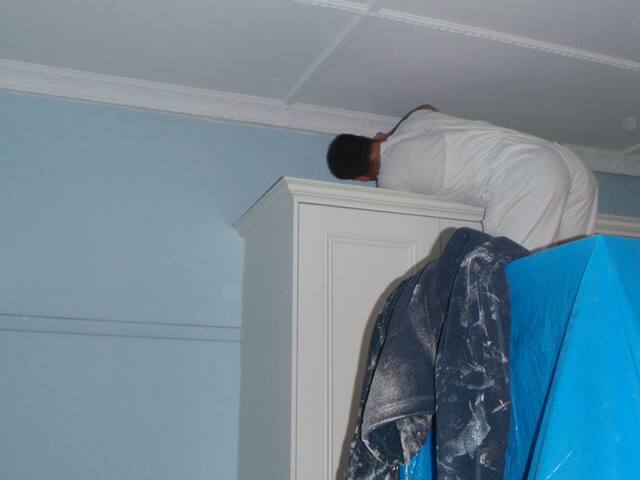
This is where DIY exterior painting gets risky. Falls from ladders and roofs are a common cause of serious injury at home. Single-storey work can usually be done safely from a stable ladder on firm, level ground. Double-storey walls, high gables, eaves and steep roofs generally need scaffolding or an elevated work platform, set up properly. If you can't reach a surface safely, leave it for someone with the right equipment. A cheaper job isn't worth an injury.
Should you DIY or hire a painter?
DIY can work well for a single-storey house in reasonable condition when you have the time and the weather on your side. A full exterior is a big job, though, and preparation takes longer than most people expect.
A painter is usually the better choice when:
- the house is double-storey or has hard-to-reach areas
- there is a lot of flaking paint, rot, render cracking or rust to deal with
- the home is older and may have lead paint
- you want the job done within a set time and with a warranty
To see what drives the price, read our guide to house painting costs in Melbourne. Our exterior painting service explains how we clean, repair, prime and paint so the finish lasts.
Rather have it done for you?
Heathurst paints house exteriors across all of greater Melbourne, from weatherboard bungalows to double-storey rendered homes. See the areas we cover, request a free on-site quote through our contact page, or call 0418 351 120.