17 November 2026 · 4 min read · Heathurst Coatings
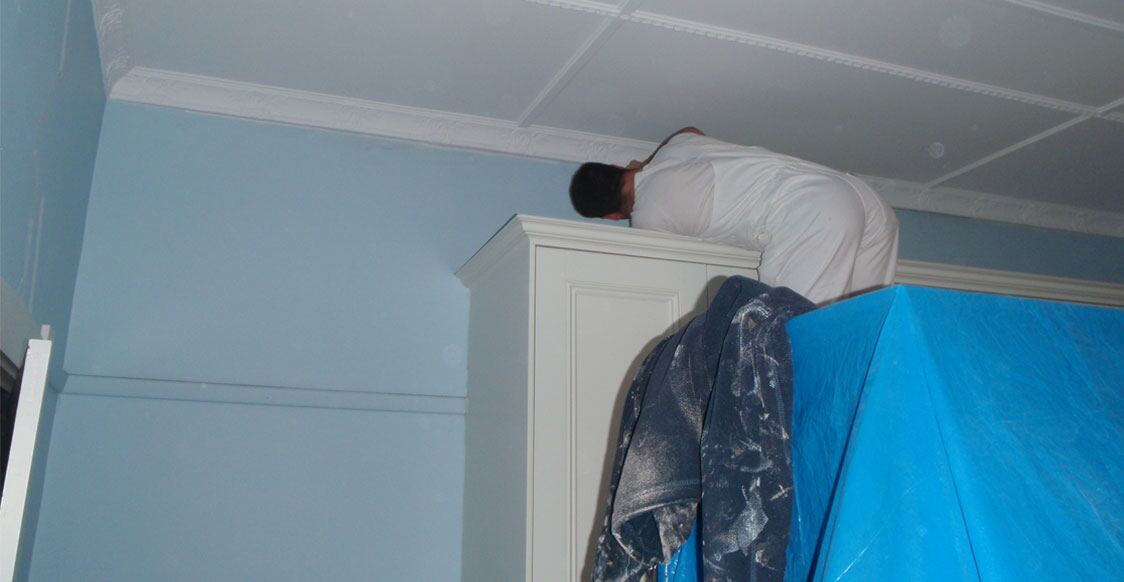
You generally shouldn't use exterior paint inside your home. Exterior paints are formulated to survive sun, rain and mould outdoors, and some of the additives that make them tough outside are not intended for enclosed living spaces. Indoors they can smell for longer, cure to a softer film that marks and doesn't clean as well, and may not suit bedrooms and living areas. Use an interior paint made for the room instead.
What is the difference between interior and exterior paint?
Both are usually water-based acrylics, but they are designed for different jobs.
Exterior paint is formulated to:
- flex as surfaces expand and contract with heat and cold
- resist UV, so the colour and binder don't break down in sunlight
- shed rain and resist moisture
- resist mould and mildew growth on damp, shaded walls
Interior paint is formulated to:
- resist scuffs, marks and scrubbing
- be easy to clean
- cover well and level to a smooth, even finish
- have low odour and low VOC levels for living spaces
What happens if you use exterior paint inside?
Additives meant for outdoors
Exterior paints commonly contain mould and mildew inhibitors (biocides) and other additives chosen for outdoor conditions. They are fine on the outside of a house, but they aren't intended for rooms where people sleep and spend most of their time.
More smell for longer
Exterior paints can have a higher VOC content than modern interior paints. Outdoors the fumes disperse quickly. Indoors they can linger, especially in bedrooms and small rooms with poor airflow. Our guide to low-VOC paint explains what VOCs are and why they matter indoors.
A softer, less washable finish
Exterior paint is designed to stay flexible so it doesn't crack on a hot wall. Indoors, that flexibility can mean a softer film that marks more easily, picks up dirt and doesn't wipe clean as well as a good interior paint. It can also stay slightly tacky for longer, so books and objects can stick to painted shelves.
A different look
Exterior paints aren't designed for the smooth, even finish expected on interior walls and ceilings, and their sheen levels and colour can look different under indoor light.
Is it ever OK to use exterior paint indoors?
There are a few cases where it can make sense:
- Garages, sheds and workshops that are not living spaces and are well ventilated.
- Surfaces that are effectively outside, such as an enclosed verandah or a carport ceiling exposed to the weather.
- Products labelled for interior and exterior use. Some paints, primers and enamels are made for both, and say so on the label. Those are fine to use inside according to the instructions.
If the label only says exterior, keep it outside.
What if you've already used exterior paint inside?
If the paint is on and the room smells, ventilate it well for as long as it takes for the smell to clear, and keep the room unoccupied in the meantime if you can. If the finish is soft, marking or tacky, the usual fix is to let it cure fully, lightly sand, apply a primer suitable for the surface, and repaint with an interior paint. If you're unsure, ask a painter to look at it before you repaint.
Can you use interior paint outside?
No. Interior paint isn't made to resist UV, rain or temperature changes. Outside it can fade, chalk, crack and peel quickly, sometimes within a season.
How can you tell interior and exterior paint apart?
Check the label rather than the colour or the brand. The front of the tin normally says interior, exterior, or interior and exterior. The label also lists the surfaces it suits, the sheen level, and the recommended drying and recoat times. If you have old, unlabelled tins in the shed, don't guess. It is safer to buy the right product for the job, and to dispose of old paint through a paint recycling drop-off point rather than putting it in household rubbish or down the drain.
Some products that look like exterior paint are designed for specific indoor jobs, such as concrete floor paints for garages or enamels for metal. These are fine indoors where the label says so, used as directed and with good ventilation.
What about leftover exterior paint?
It is tempting to use up leftover exterior paint on a laundry, garage or spare room. Put it to use outside instead: fences, garden sheds, letterboxes, outdoor furniture and touch-ups on the house itself. Keep a labelled tin of your exterior colour for touch-ups, stored somewhere cool and dry with the lid sealed tightly.
What should you use instead?
Match the paint to the room:
- Living areas and bedrooms: a low-sheen or matt interior acrylic.
- Kitchens, bathrooms and laundries: a paint formulated for wet areas, which resists moisture and mould.
- Ceilings: a flat ceiling paint that hides imperfections.
- Doors and trims: a water-based or oil-based enamel in semi-gloss or gloss.
Our guide to types of wall paint explains which finish suits each room.
Rather have it done for you?
Heathurst uses premium Dulux paints matched to every room and surface, including low-VOC options for homes where people stay during the work. We paint homes across all of greater Melbourne, including the eastern suburbs. Request a free on-site quote through our contact page, or call 0418 351 120.