17 November 2026 · 4 min read · Heathurst Coatings
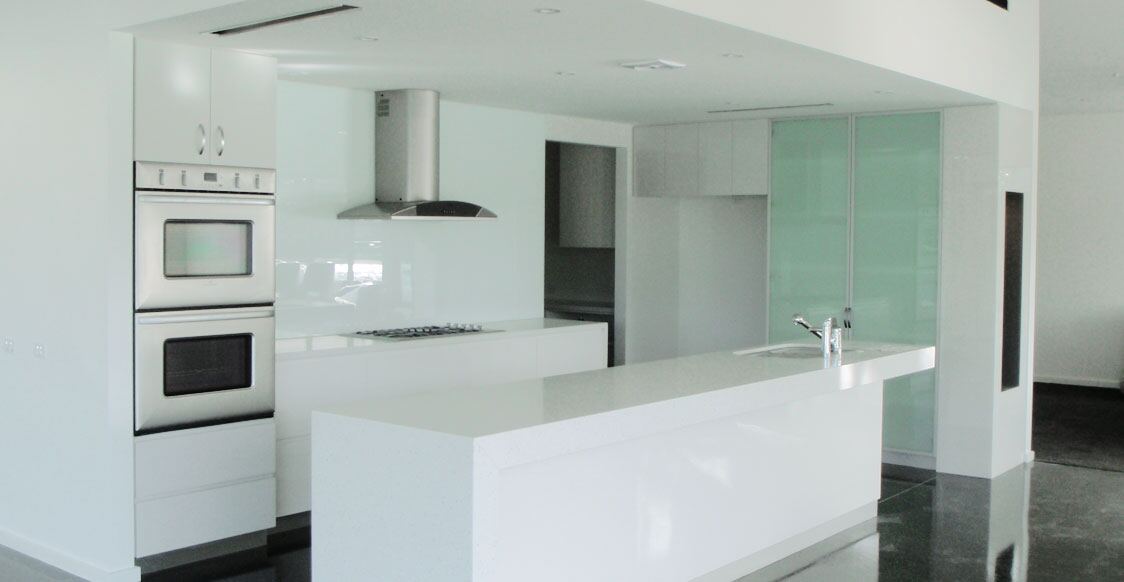
For most interior walls in Australian homes, the right paint is a water-based acrylic in a low-sheen or matt finish. Wet areas such as kitchens, bathrooms and laundries need a paint made to resist moisture and mould. Ceilings suit a flat ceiling paint, and doors and trims need a harder enamel in semi-gloss or gloss. The choice comes down to two things: the type of paint, and the sheen level.
What are the main types of wall paint?
Water-based (acrylic) paint
Water-based acrylic is the standard paint for interior walls and ceilings in Australia. It:
- dries quickly, so a second coat can usually go on the same day
- has little smell, and many ranges are low in VOCs
- stays flexible and resists yellowing
- cleans up with water
Oil-based (solvent-based) paint and enamel
Oil-based paints and enamels dry to a very hard, smooth finish. They have traditionally been used on doors, trims, windows and kitchen cabinets. They take longer to dry, have a strong smell, need solvents to clean up, and can yellow over time, particularly away from sunlight. Water-based enamels are now widely used on trims for these reasons.
Primers, sealers and undercoats
These aren't finish coats. They prepare the surface so the topcoat sticks and looks even:
- Sealers go on new or bare plaster to stop it soaking up paint unevenly.
- Primers help paint stick to bare timber, metal and difficult surfaces.
- Undercoats build an even base under the finish coats, especially for big colour changes.
- Stain blockers stop water marks, smoke stains and some timber stains bleeding through.
Our guide to how many coats of paint and primer explains when each is needed.
What are the different paint finishes (sheen levels)?
Sheen is how much light the dried paint reflects. Higher sheen is easier to clean but shows every bump in the wall.
Flat or matt
Little to no shine. Hides imperfections in walls and ceilings and gives a soft, modern look. Traditionally harder to clean, although premium matt paints are now much more washable than they used to be. Good for ceilings, bedrooms, formal living rooms and older walls that aren't perfectly flat.
Low sheen
A slight, soft sheen. The most common finish for walls in Australian homes because it balances a forgiving look with being easy to wipe clean. Good for living areas, hallways, bedrooms and family rooms.
Satin (or eggshell)
A little more sheen than low sheen, and a little tougher. Used on walls in busy areas and in some kitchens and bathrooms.
Semi-gloss
Noticeable shine and very easy to clean. Used for doors, trims, skirtings and window frames, and in some wet areas.
Gloss
The highest shine and the hardest-wearing finish. Shows imperfections clearly, so surfaces need careful preparation. Used on doors, trims, handrails and joinery.
What specialist paints are there?
- Kitchen and bathroom paints contain additives that help resist moisture, steam and mould growth. Use them in bathrooms, ensuites, laundries and kitchens.
- Washable or scrubbable paints are made to stand up to repeated cleaning without polishing or wearing through. Good for children's rooms, hallways, playrooms and rental properties.
- Ceiling paints are flat, spread easily and are formulated to reduce drips and spatter. They usually have a very flat finish to hide imperfections.
- Low-VOC paints release fewer volatile organic compounds as they dry, so there is less smell. They suit bedrooms, nurseries and homes where people stay during painting. See our guide to low-VOC paint.
- Enamels for trims and joinery dry hard to resist knocks and handling.
Which paint should you use in each room?
| Room or surface | Paint type | Typical finish |
|---|---|---|
| Living and dining rooms | Water-based acrylic | Low sheen or matt |
| Bedrooms | Water-based acrylic, low-VOC | Low sheen or matt |
| Children's rooms | Washable or scrubbable acrylic, low-VOC | Low sheen |
| Hallways and stairwells | Washable acrylic | Low sheen or satin |
| Kitchens | Kitchen and bathroom paint | Low sheen or satin |
| Bathrooms and laundries | Kitchen and bathroom paint | Low sheen, satin or semi-gloss |
| Ceilings | Ceiling paint | Flat |
| Wet-area ceilings | Kitchen and bathroom ceiling paint | Flat or low sheen |
| Doors, trims and skirtings | Water-based or oil-based enamel | Semi-gloss or gloss |
| New plaster | Plaster sealer, then finish coats | As for the room |
Paint ranges and names differ between brands, so check the manufacturer's guidance for the exact product.
Does a more expensive paint make a difference?
Usually, yes. Premium paints generally cover better, so they need fewer coats for an even colour, and they are formulated to wash, wear and hold their colour better. Over the life of the paint job, a premium paint often costs less than repainting early. Preparation still matters more than the paint: even the best paint won't hide cracks, dents and patchy walls that weren't fixed first.
Rather have it done for you?
Heathurst paints interiors across all of greater Melbourne with premium Dulux paints, chosen for each room and surface. We help you pick colours and finishes, prepare every wall properly, and walk through the finished job with you. See our interior painting service and the areas we cover, request a free on-site quote through our contact page, or call 0418 351 120.