2 September 2026 · 3 min read · Heathurst Coatings
A quality paint job is mostly preparation. Before any colour goes on, the surfaces are cleaned, repaired, sanded and primed where needed, and the home is protected. Then a premium paint is applied in the right number of coats, and the result is checked with you in good light before the job is called done.
Paint can only be as good as the surface underneath it. That is why two quotes for the same house can be so far apart: one includes the work that makes a finish last, and the other doesn't.
What preparation should a painter do?
Good preparation depends on the surface, but on most jobs it includes:
- Cleaning. Walls, ceilings and trims are washed to remove dust, grease and grime. Exteriors may be pressure-cleaned. Paint does not bond well to dirt.
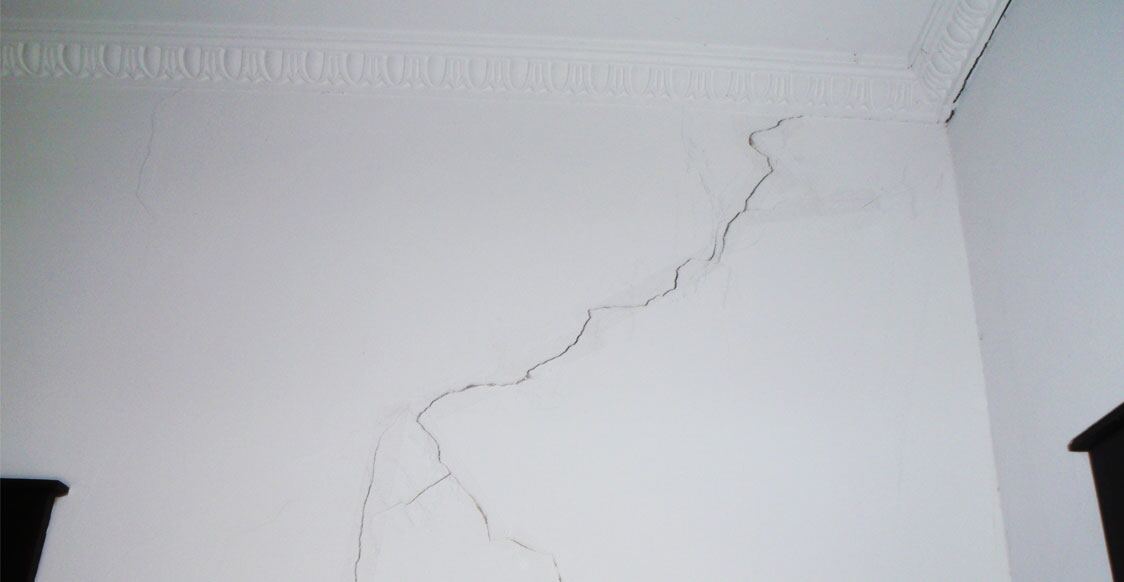
- Repairs. Cracks are raked out and filled, holes are patched, and dents in plaster or timber are made good. Flaking or loose paint is scraped back.
- Sanding. Repairs and glossy surfaces are sanded so the new paint has something to grip and filled areas don't show through.
- Priming and sealing. Bare timber, new plaster, patched areas and stained surfaces get a suitable primer or sealer. Skipping this is a common cause of patchy sheen and stains bleeding through.
- Protection. Floors, furniture, fixtures and gardens are covered, and edges are masked where needed.
If a quote doesn't mention preparation, ask what is included. "Two coats" means little if the surface hasn't been prepared to take them.
Why does the paint brand and range matter?
Premium paints generally cover better, hold their colour longer and are easier to clean. They are also made for specific jobs: wet areas, ceilings, trims, weatherboards, render, metal roofs. Using the right product for each surface matters as much as the brand.
Heathurst uses premium Dulux paints matched to each surface, with low-VOC options for homes that stay occupied during the work.
How many coats should a quality job include?
Most repaints need at least two finish coats over a sound, primed surface. Strong colour changes, porous surfaces and new work can need more. Our guide on how many coats of paint and primer you need goes into the detail.
What does a good finish look like?
Check the finished job in daylight, and again with the lights on at night:
- Cutting-in lines are straight where walls meet ceilings and trims.
- There are no brush marks, roller lines, runs or drips.
- The colour and sheen are even, with no "flashing" over patched areas.
- Repairs are invisible once painted.
- Switches, hinges, glass and floors are free of paint.
- The site is clean and furniture is back where it was.
What should happen at the end of the job?
A careful painter walks through the finished work with you. Anything that isn't right is noted and fixed before they pack up. At Heathurst we treat that walk-through as part of the job, not an extra. We don't consider a job finished until you're happy with it, and we don't leave anyone disappointed.
How do you check a painter will do all this?
Ask them to put it in writing. A good quote lists the rooms or areas, the preparation, the products and the number of coats. Ask to see past work: our gallery shows homes, heritage properties and commercial sites we have painted across Melbourne. Our guide to comparing painting quotes has a checklist you can use.
Get a quote
Heathurst paints homes and businesses across greater Melbourne, with the same thorough prep and the same standard on every job. Request a free on-site quote through our contact page, or call Steve on 0418 351 120.